How Independent Agents Build Authority Through Educational Events
Prospects don’t call insurance agents because they woke up excited to shop for coverage. They call because they need answers.
Agents who host educational events—Medicare workshops, retirement planning seminars,or webinars—answer those questions first, before ever asking for the sale. The result?
Prospects remember you. They trust you. And when they’re ready to buy, they’re already thinking of you.
Educational events aren’t about giving away secrets. They’re about proving you have them and positioning yourself as the expert prospects want to work with.
People Buy from People They Trust
Insurance is a relationship business. Before someone chooses an agent, they want confidence that the person sitting across from them understands their situation and will help them make informed decisions.
An educational event gives you the chance to demonstrate your knowledge without asking anyone to buy a policy. When attendees leave feeling like they’ve learned something valuable, they’re more likely to remember you when they need guidance.
That’s a much stronger foundation than leading with a sales presentation.
Focus on Questions, Not Products
One of the biggest mistakes agents make is turning an educational event into a product presentation.
People attend because they have questions. They want to understand Medicare enrollment timelines, learn how life insurance fits into financial planning, or better understand their coverage options.
Instead of talking about products first, focus on answering the questions your audience is already asking. When you solve problems, you naturally build credibility.
The sales conversation can come later.
Choose Topics That Matter
The best educational events address real concerns people have today.
Consider topics like:
- Understanding Medicare enrollment timelines
- Common Medicare mistakes to avoid
- Preparing for retirement healthcare costs
- Reviewing life insurance after a major life event
- Planning for long-term financial protection
Simple, practical topics often attract more interest than broad presentations filled with industry terminology. Remember, your goal is to educate, not overwhelm.
Keep the Presentation Simple
You don’t need an elaborate presentation to make a lasting impression.
Use plain language.
Explain concepts clearly.
Encourage questions throughout the presentation.
People remember speakers who make complicated topics easier to understand. They rarely remember someone who tried to impress them with technical language.
Your expertise isn’t measured by how much information you share. It’s measured by how well your audience understands it.
The Event Isn’t the Finish Line
One of the biggest misconceptions about seminars is that they should produce immediate sales. Sometimes they do. Often, they don’t. That’s perfectly normal. Think of your educational event as the beginning of a relationship rather than the end of a sales process.
Some attendees may schedule appointments right away. Others may call weeks or even months later after they’ve had time to think about what they learned.
The important thing is that they remember who helped them without making them feel pressured.
Follow Up with Value
What happens after the event matters just as much as the presentation itself. Thank attendees for coming.
Send a follow-up email with helpful resources or answers to questions discussed during the event. Invite them to schedule a personal conversation if they’d like to review their individual situation.
The goal isn’t to pressure anyone into making a decision. It’s to continue providing value while letting them know you’re available when they’re ready.
Get More from Every Event
An educational event doesn’t have to end when everyone goes home. One presentation can become weeks of marketing content.
You can:
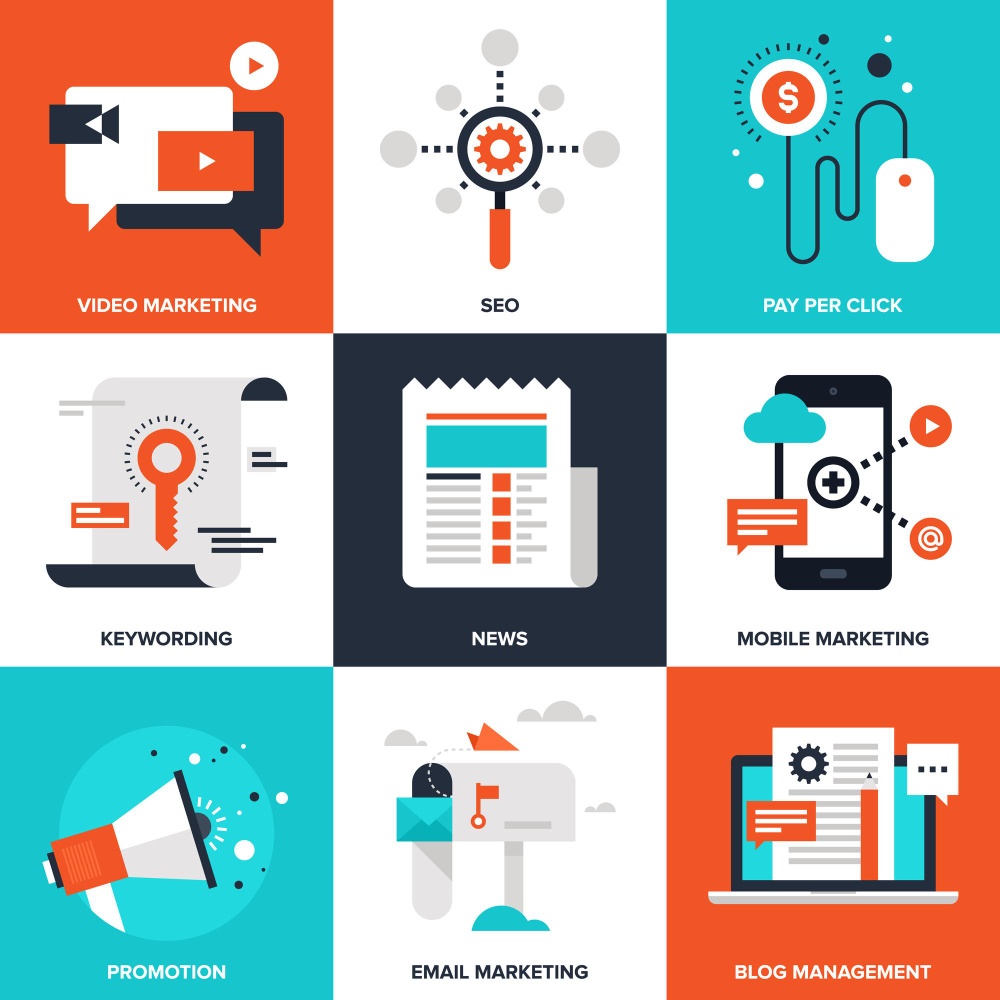
- Turn common questions into blog articles.
- Share key takeaways on social media.
- Record short educational videos.
- Create an email newsletter.
- Develop handouts for future events.
Repurposing your content helps you reach people who couldn’t attend while reinforcing your expertise with those who did.
Build Trust Before You Need It
Many successful agents don’t wait until someone is ready to buy before introducing themselves.
They build relationships first.
Educational events create an opportunity to become a trusted resource in your community. When people eventually need insurance guidance, they’re more likely to contact someone who has already helped them understand their options.
Teaching first doesn’t slow down the sales process.
It strengthens it.
Educational Note: This article is intended for general educational purposes. Educational events and marketing activities should always comply with applicable CMS guidelines, carrier requirements, and federal and state regulations. Product recommendations should be based on each client’s individual needs and eligibility.
Build Your Authority Event Strategy
Educational events work because they establish credibility before you ask for anything. IAD provides independent agents with event planning templates, marketing materials, and compliance guidance to host authority-building seminars in your market.
Ready to launch your first event? Explore webinar hosting, event planning resources, or schedule a strategy meeting with an IAD consultant
**Compliance Note:** All educational events must comply with carrier guidelines, CMS Medicare marketing rules, and applicable state insurance regulations. Review all materials with your FMO before hosting. Ensure events are educational in nature and don’t misrepresent coverage, rates, or availability.