FMO vs. IMO vs. NMO: What Insurance Agents Should Know Before They Sign
FMO. IMO. NMO. Agency.
If you’re new to independent insurance sales, it can feel like everyone is using a different acronym to describe the organization they want you to join.
Then come the recruiting conversations.
You’ll hear about commissions, carriers, training, leads, teams, technology, and growth opportunities. Some organizations may also talk about recruiting other agents or building a team.
It can be difficult to tell what you’re actually signing up for.
That’s why the name of the organization shouldn’t be your only focus. Understanding the relationship, compensation structure, support, and contract matters much more.
Before you sign anything, know what you’re joining and what questions you should be asking.
What Is an FMO, IMO or NMO?
These terms are commonly used to describe organizations that work between insurance carriers and independent agents or agencies. The exact terminology and structure can vary across the insurance industry, so you shouldn’t assume two organizations operate the same way simply because they use the same title.
An FMO, or Field Marketing Organization, typically works with insurance carriers while providing independent agents with access to products and business support.
An IMO, or Independent Marketing Organization, can serve a similar role by connecting independent agents with carriers and providing resources that may include contracting, training, marketing, technology, or sales support.
You may also hear the term NMO, or National Marketing Organization. Depending on the organization and market, the term may describe a larger distribution organization working with agents or agencies across multiple regions.
An insurance agency may operate differently. Some agencies hire or contract directly with producers, while others operate within a larger FMO, IMO, or distribution structure.
The important point is simple:
Don’t make your decision based on the acronym. Make it based on how the organization actually works.
Look Beyond the Recruiting Pitch
A recruiting presentation can tell you what an organization wants you to know. Your questions should tell you what you need to know.
Start with how you’ll earn money from your own production. Understand the commission structure, whether there are different contract levels, and what conditions may apply.
If recruiting or building a team is discussed, ask whether it’s required for advancement or simply an optional business path. You should understand whether the opportunity is primarily built around selling insurance, recruiting agents, or some combination of both.
Then look at what happens after you join.
Who handles contracting questions? Where do you go for product help? Is training available after onboarding? Do you receive marketing support? Are there quoting or technology tools? Can you reach a real person when a case becomes complicated?
Those answers tell you much more about the relationship than the title on the recruiting presentation.
Understand What You’re Building
This is especially important for agents who want to build a long-term business. Before signing, understand how the organization treats your book of business and client relationships.
Ask what happens to your existing clients and future commissions if you decide to leave. Find out whether there are release requirements, transfer restrictions, vesting provisions, or other contract terms that could affect your business.
Don’t rely only on what someone tells you during a recruiting conversation. Read the agreement. If something isn’t clear, ask for an explanation before signing. For important contract or legal questions, consider getting appropriate professional advice.
You should understand the business you’re building before you spend years building it.
Five Questions to Ask Before You Sign
You don’t need to become an expert in every distribution model before choosing an organization. You do need clear answers to a few important questions.
1. How am I paid for my own production?
Understand your commission structure, contract level, and any requirements that could affect compensation.
2. Do I have to recruit other agents to succeed here?
If recruiting is part of the opportunity, understand whether it’s optional, encouraged, or tied to advancement and compensation.
3. What happens to my book if I leave?
Ask about renewals, vesting, releases, client relationships, and any restrictions included in your agreement.
4. What support do I actually receive?
Look beyond general promises. Ask specifically about contracting, product training, compliance, marketing, technology, quoting, sales support, and ongoing education.
5. Who helps me when something goes wrong?
Every agent eventually runs into a difficult case, contracting issue, technology problem, or carrier question. Know where you’ll go when that happens.
If an organization can’t clearly answer these questions, that’s information worth paying attention to.
Support Should Extend Beyond Recruiting
Getting an agent contracted is only the beginning of the relationship. A strong organization should have a clear reason to remain valuable after you join.
That may include helping agents learn new products, navigate carrier processes, prepare for compliance requirements, improve sales skills, use technology, develop marketing, and solve problems as their business grows.
The resources will differ from one organization to another. What matters is whether those resources match the kind of business you want to build. An experienced agent may value advanced product access and marketing support. A newer agent may need more training, onboarding, and sales guidance.
Neither is wrong. The question is whether the organization can support where you are today and where you want to go next.
Choose the Relationship, Not the Acronym
There isn’t one acronym that guarantees a good partnership. Two FMOs can operate differently. Two agencies can offer completely different levels of support. An impressive recruiting presentation doesn’t automatically mean the organization is right for your business.
Look at the complete relationship.
Understand how you’re compensated. Read your contract. Ask about your book of business. Find out what support you’ll receive. Understand whether recruiting is part of the model. Talk to people who will actually support you after you’re contracted.
Most importantly, ask yourself:
Does this organization help me build the kind of insurance business I actually want?
That’s a much more useful question than deciding based on a title alone.
Key Takeaways
- FMO, IMO, NMO, and agency structures can vary, so don’t judge an organization by its acronym alone.
- Understand how you’re compensated for your own insurance production.
- Ask whether recruiting other agents is optional or connected to advancement.
- Review contract terms involving renewals, releases, vesting, and your book of business.
- Look for specific support in areas such as contracting, products, compliance, marketing, technology, and training.
- Choose an organization based on the business relationship and support it provides.
The Standard Has Changed
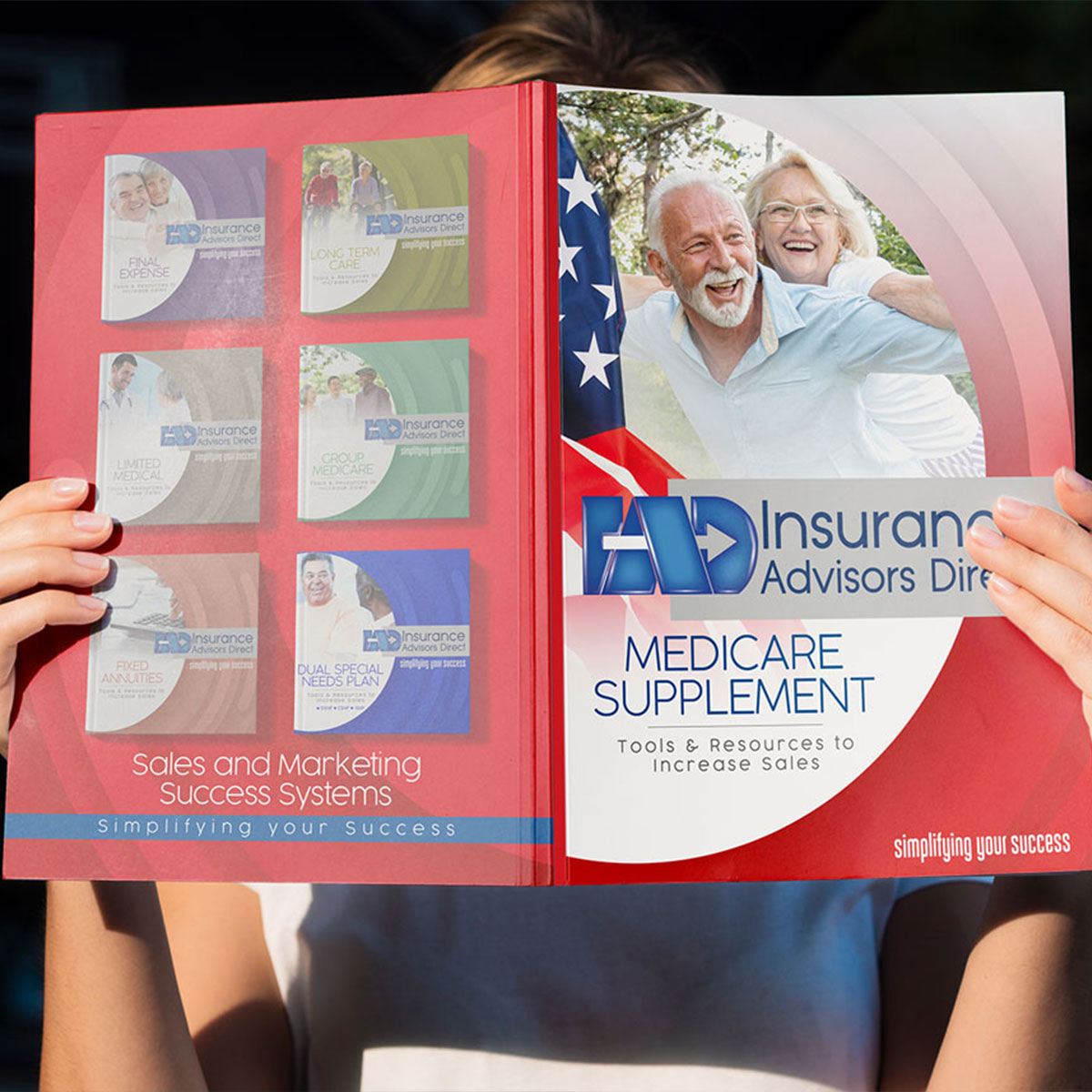
Insurance Advisors Direct is a top-tier Field Marketing Organization with more than 30 years of experience helping independent life and health insurance agents grow.
IAD provides access to 30+ carriers across 15+ product lines, backed by contracting support, quoting tools, compliance resources, an agent portal, free marketing resources, and training that includes AHIP preparation, CMS compliance, product sales, onboarding, and live coaching.
Our approach is built around the 7 Pillars of Success: Product, Leads, Sales, Admin, Marketing, Tech, and Training.
If you’re evaluating where to build your insurance business, take the time to understand what you’ll receive after the contract is signed.
Learn more about partnering with Insurance Advisors Direct at iadbrokerage.com.
We don’t just support agents. We partner with them.
Educational Note: Organizational structures, contracts, compensation arrangements, renewal rights, release requirements, and vesting provisions can vary by organization, carrier, product, and agreement. Agents should carefully review applicable contracts and seek appropriate professional guidance when necessary before making business or legal decisions.